What if Your Phone Could Stop Your Overspending—Before It Happens?
Have you ever looked at your bank statement and asked, “Where did all that money go?” You’re not alone. Between daily coffee runs, online impulse buys, and subscription traps, it’s easy to lose track. But what if your smartphone could quietly help you spend smarter—without effort? In this guide, I’ll walk you through how simple money-saving shopping apps can transform your habits, protect your budget, and give you real peace of mind. No tech jargon, just real-life help.
The Moment Everything Changed: When I Realized My Phone Was Costing Me Money
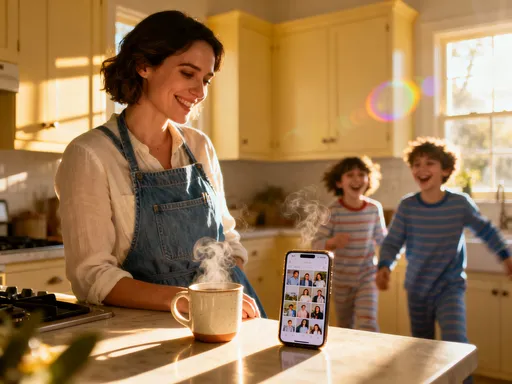
I used to think my phone made life easier. It helped me stay in touch with my kids, reminded me of school pickups, and even played my favorite music during long grocery trips. But one rainy Tuesday, I sat at the kitchen table staring at my bank statement, and something hit me like a cold splash of water: my phone wasn’t just a tool—it was quietly draining my wallet. Not with one big charge, but with dozens of tiny ones. A $5 coffee here, a $12 shirt there, a forgotten subscription I didn’t even use. Over three months, those little taps added up to over $400. Four hundred dollars. That’s a weekend getaway. That’s new school supplies. That’s peace of mind.
What scared me most wasn’t the amount—it was how unaware I’d been. I wasn’t splurging. I wasn’t careless. I was just… living. Clicking “Buy Now” because it was easy. Saying “I’ll cancel later” and forgetting. That’s when I realized something powerful: the same device that made overspending so effortless could also be the key to stopping it. Not by punishing myself. Not by living like a monk. But by using smart, simple apps that work quietly in the background—like a financial co-pilot for real life. And the best part? I didn’t need to become a tech expert. I just needed to start.
Meet the Apps That Work While You Sleep: How Money-Saving Tools Actually Help
Let’s be honest—most of us don’t have time to track every dollar. We’re busy. We’re tired. We just want things to work. That’s why I fell in love with money-saving apps that don’t demand anything from me. These aren’t budgeting spreadsheets or complicated finance tools. They’re more like helpful neighbors who quietly pick up your mail when you’re away—only instead of your mail, they’re catching cashback offers, watching prices drop, and reminding you when you’re about to overspend.
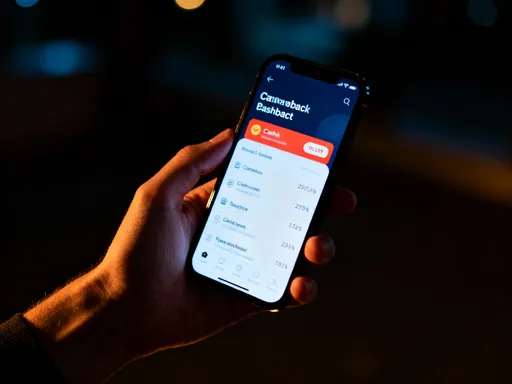
Take cashback apps, for example. You shop at stores you already love—your favorite pharmacy, the grocery chain you trust—and the app gives you a little something back. It’s not magic. It’s not a scam. It’s just a way companies reward loyalty, and these apps make sure you actually get it. I remember my first cashback payout: $18.50 just for buying diapers, wipes, and toothpaste. I didn’t change my routine. I didn’t clip coupons. I just scanned my receipt with the app, and the money went straight into my account. It felt like finding money in an old coat pocket—only this time, I knew it would keep happening.
Then there are price tracking tools. You know how you’ll see something online—a blender, a pair of boots, a tablet for your teenager—and think, “Hmm, maybe later”? These apps let you save that item and get a notification when the price drops. No more wondering if you bought too early. No more missing a sale. I waited six weeks for a kitchen mixer to go on sale, and when it did, the app pinged me with a happy little chime. I saved $42. That’s not just money—it’s confidence. You start to feel like you’re not just spending. You’re choosing.
And let’s talk about receipt scanning. It sounds boring, I know. But hear me out. Every time I buy groceries, I open the app and snap a photo of my receipt. The app reads it, logs my spending, and gives me cashback. Over time, it even shows me patterns—like how much I spend on snacks or how often I buy bottled water. It’s not about judgment. It’s about awareness. And that awareness? That’s where change begins.
Step-by-Step: Setting Up Your First Money-Saving Shopping App (From Zero to Done)
If you’re thinking, “This sounds great, but I’m not tech-savvy,” I get it. I was right there with you. I thought apps like this were for young people who live on their phones. But setting one up took me less than ten minutes—and I promise, it will for you too. Let me walk you through it like I’m sitting at your kitchen table with a cup of tea.
First, open your phone’s app store—whether it’s the Apple App Store or Google Play. Type in “cashback shopping” or “receipt scanning app.” You’ll see a few popular ones. Look for apps with thousands of reviews and a rating of 4 stars or higher. Don’t pick the flashy one with the crazy promises. Pick the one that looks simple, clean, and trustworthy. I started with one called Fetch—it’s free, easy to use, and works at almost every store I shop at.
Download it. Open it. The app will ask you to create an account. Use your email—no need to sign in with social media if you’re not comfortable. Then, it might ask for permissions. This is where some people get nervous. Let me ease your mind: these apps don’t access your bank account. They don’t see your passwords. The only thing they need is your camera (to scan receipts) and location (so they can show you deals near you). You can turn location off if you want, but it helps the app personalize offers.
Next, the app will guide you to link your shopping habits. You don’t need a credit card. You don’t need to connect your bank. All you do is start scanning receipts. Buy groceries? Take a photo at checkout. Pick up school supplies? Snap a picture. The app reads the items, gives you points, and those points turn into gift cards or cash. I earned my first $5 gift card in just two weeks—enough for a nice dinner out.
And here’s the best part: you don’t have to do anything extra. No daily check-ins. No complicated rules. Just live your life and let the app do the work. It’s like having a tiny helper in your pocket, quietly making sure you get rewarded for the shopping you were going to do anyway.
Real Life, Real Savings: How These Apps Fit Into Grocery Runs, Online Deals, and Family Budgets
Let’s talk about the grocery store—the place where so many of our budgets go to die. You go in for milk and bread and come out with $150 worth of stuff, half of which you didn’t plan to buy. I’ve been there. But now, my grocery trips feel different. I still buy what my family needs. I still grab the occasional treat. But now, I’m armed with an app that turns every trip into a mini treasure hunt.
Before I leave the house, I open my app and check for bonus offers. “Scan a receipt from Walmart this week and earn 2,000 points.” “Buy two boxes of cereal and get a $2 reward.” These aren’t gimmicks. They’re real incentives. And because I’m already buying those things, why not get something back? Last month, I earned over $30 just from my regular shopping. That paid for my daughter’s art supplies and a new book for myself.
And it’s not just groceries. When my son needed new sneakers, I saved the item in a price-tracking app. Two weeks later, it dropped 15%. The app notified me, and I bought it at the lowest price. When my husband wanted a new coffee maker, we used a cashback website before checking out online. We got 8% back—enough to cover the cost of his favorite coffee beans for a month.
These tools also help us talk about money as a family—without stress. I showed my teenage daughter how the app works, and now she scans her receipts too. She’s saving for a phone, and every time she gets a bonus, she texts me like she won the lottery. “Mom! I got $3 back just for buying shampoo!” It’s teaching her about value, patience, and smart choices—lessons that money alone can’t buy.
Even our subscriptions are under control now. The app I use has a feature that scans my email for recurring charges. It found three subscriptions I’d forgotten about—a streaming service I never watched, a fitness app I used once, and a magazine I didn’t read. Canceling them saved me $28 a month. That’s over $300 a year. Just for paying attention.
Beyond Cashback: How These Apps Help You Build Better Habits—Without Trying
Here’s what surprised me most: these apps didn’t just save me money. They changed how I think about spending. I used to feel guilty after shopping. Now, I feel in control. It’s like the apps gave me a mirror—one that shows me my habits without shame, just clarity.
One of the most powerful features is the notification that says, “You’ve bought this item 5 times in the last month.” When I saw that about bottled water, I stopped and asked myself: Do I really need this? Could I just refill a bottle? That tiny alert led to a big change. I bought a set of reusable bottles, and now we save $15 a month. More importantly, I feel proud. I didn’t need a lecture. I didn’t need a budget spreadsheet. I just needed a little nudge.
That’s the secret: these apps don’t force change. They invite it. A gentle reminder here. A cashback reward there. Over time, you start to pause before clicking “Buy Now.” You start to ask, “Is this worth it?” You begin to notice patterns—like how often you order takeout when you’re tired, or how much you spend on clothes you wear once. And with that awareness comes power. The power to choose differently. The power to say no. The power to say yes—to the things that really matter.
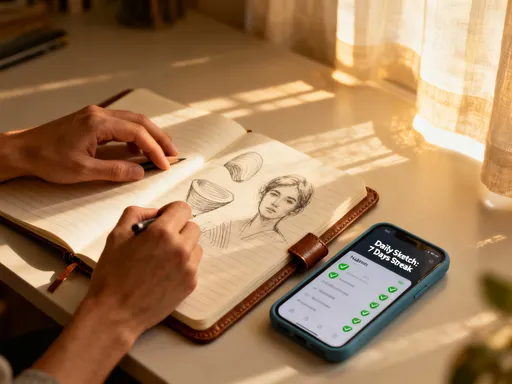
I’ve even started setting little goals. “Let’s save $100 in three months for a family movie night fund.” Every time we earn cashback, we add it to the goal. Watching that number grow is surprisingly satisfying. It’s not about deprivation. It’s about direction. And that shift—from drifting to deciding—is where real freedom begins.
Avoiding the Pitfalls: What to Watch Out For (So You Stay Safe and Sane)
Now, let’s be real. Not every app is trustworthy. And not every deal is a good one. Just like you wouldn’t hand your credit card to a stranger, you shouldn’t hand your data to just any app. So how do you stay safe?
First, stick to well-known apps with strong reputations. Look for ones that have been around for a few years, have high ratings, and are transparent about how they use your data. Read the privacy policy—not all of it, but the basics. Does the app sell your information? Does it track more than it needs to? If the answer is yes, skip it.
Second, don’t download ten apps at once. I made that mistake. I had five different cashback apps, and it became chaos. I was scanning receipts five times, checking notifications all day, and feeling more stressed than before. Simplicity is key. Pick one or two that work for your lifestyle and stick with them.
Third, remember: these apps are tools, not temptations. Don’t let a “bonus offer” trick you into buying something you don’t need. Just because you’ll get $1 back for buying laundry detergent doesn’t mean you should buy six bottles if you only need one. The goal isn’t to chase rewards. It’s to spend mindfully and get rewarded for it.
And finally, it’s okay to take breaks. If you’re feeling overwhelmed, close the app for a week. These tools should serve you—not stress you. Technology at its best is invisible. It works quietly, helps without fuss, and disappears when you don’t need it. That’s the kind of tech I want in my life.
This Isn’t Just About Money—It’s About Freedom, Confidence, and Peace of Mind
At the end of the day, this isn’t really about apps. It’s about how we feel when we look at our bank accounts. It’s about the weight lifting when you realize you’re not behind. It’s about the quiet pride of knowing you’re making smarter choices—not because you’re perfect, but because you have a little help.
Using these tools has given me more than savings. It’s given me confidence. I’m not afraid to check my balance anymore. I’m not dreading the end of the month. I feel like I’m steering the ship, not just along for the ride. And that changes everything.
It means I can say yes to the things I love—dinner with friends, a new book, a weekend trip—without guilt. It means I can plan for the future without panic. It means I’m modeling healthy habits for my kids, not just telling them to be responsible, but showing them how.
And honestly? It’s made me kinder to myself. I used to beat myself up for every small purchase. Now, I see progress. I see growth. I see a woman who’s learning, adapting, and doing her best. That’s worth more than any cashback reward.
So if you’ve ever looked at your bank statement and felt that pang of confusion or regret, I want you to know: it’s not too late. You don’t need a financial degree. You don’t need to overhaul your life. You just need to take one small step. Download one app. Scan one receipt. Let technology work for you, not against you.
Because you deserve to feel in control. You deserve to feel confident. And you deserve the peace of mind that comes from knowing your money is working as hard as you do. Start today. Your future self will thank you.