I thought we were being paranoid – How quiet monitoring gave our family peace of mind
Watching a parent age is love mixed with quiet worry. You want them independent, but fear a fall, a missed meal, or silence when there should be sound. We didn’t want cameras in their home. What we found wasn’t invasive—it was aware. Simple sensors, smart routines, and gentle alerts made us feel present, even when miles away. This isn’t about high-tech control. It’s about care that breathes with daily life—subtle, respectful, and deeply reassuring. And honestly? I thought we were being paranoid at first. But now I know—we weren’t overreacting. We were just learning how to love from a distance, with a little help.
“Are they really okay?” – The silent worry no one talks about
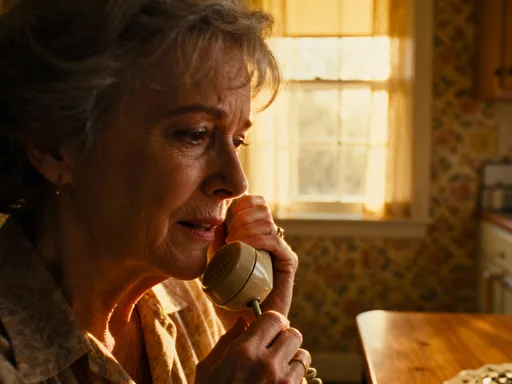
How many times have you called your mom or dad, just to check in, and felt that tiny knot in your stomach when they don’t answer right away? I used to tell myself, “She’s probably just gardening,” or “He must be napping.” But deep down, that whisper of fear would rise: What if something’s wrong? I remember one Sunday, my mom didn’t pick up her phone by noon—her usual time for calling me after breakfast. She’s always been consistent. That silence felt heavy, like the air before a storm. I called my sister, and within minutes, we were both in our cars, racing to her house, hearts pounding. When we arrived, she was fine—just cleaning the attic and had left her phone downstairs. But that moment changed everything. Because it wasn’t really about that one call. It was about all the times before, and the ones that could come after.
This kind of worry doesn’t come with a label. It’s not something we post about or talk about at book club. But so many of us carry it. You want your parent to live fully, to keep their routine, their dignity, their home. But you also know the statistics—1 in 4 adults over 65 falls each year. Many go unnoticed for hours. A missed meal can spiral into dehydration. A small health dip, left unchecked, becomes something much bigger. And the guilt? It’s real. You love them deeply, but you’re not there. You’re raising kids, managing work, keeping your own home running. You can’t be everywhere. So the worry sits in the background, like a slow hum beneath everyday life. It affects your sleep. It colors your mood. It makes you hesitate before taking that weekend trip or saying yes to a friend’s dinner invite. That’s the truth no one talks about: loving an aging parent often means living with a quiet, constant fear.
But here’s what I’ve learned: that fear doesn’t have to be the loudest voice. We don’t have to choose between their independence and our peace of mind. There’s a middle path—one that doesn’t involve cameras in the bedroom or panic buttons they forget to wear. It’s not about watching. It’s about knowing. Knowing they got up this morning. Knowing they opened the fridge. Knowing they’re moving through their day, just like they should. And when something’s off? That’s when a soft alert comes through—not a siren, not a scare, just a gentle nudge that says, “Hey, maybe check in.” That’s not paranoia. That’s care with eyes. And it’s possible now, in ways we couldn’t have imagined even ten years ago.
Beyond cameras and panic buttons – Rethinking what elderly safety really means
When we first started looking into safety tools, I’ll admit—I pictured something out of a spy movie. Cameras in every corner, flashing alerts, a big red button by the toilet. That’s what most of us think of, right? But the truth is, those old models don’t fit real life. My mom would never accept a camera in her living room. She values her privacy—just like any of us would. And those medical alert buttons? She’d forget to wear it, or worse, feel like it labeled her as “frail.” We needed something different. Something that didn’t shout “I’m watching you,” but instead whispered, “I’m here if you need me.”
That’s when we discovered the new generation of safety tech—tools designed not for surveillance, but for awareness. These aren’t about recording video or tracking every move. They’re about understanding patterns. Think of it like this: your body knows when something’s off—maybe you’re tired, or coming down with a cold, because your routine feels different. These systems do the same for a home. They learn what normal looks like—when the bedroom door opens, when the kettle boils, when the TV turns on—and they notice when that pattern shifts.
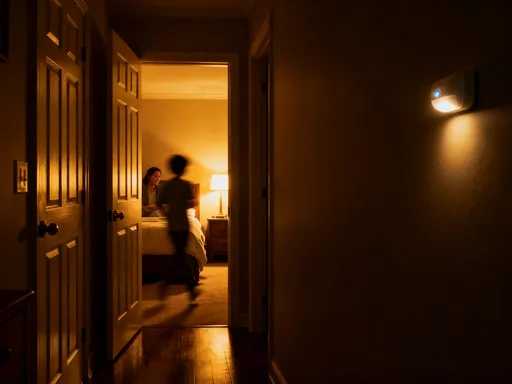
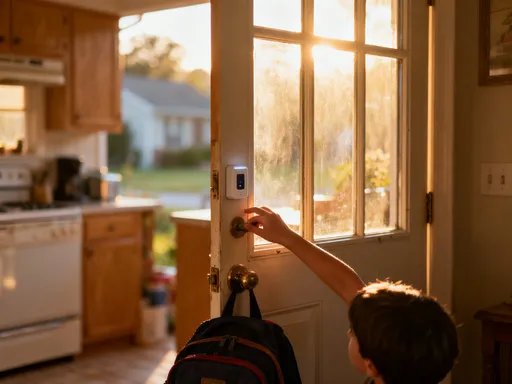
For example, a small motion sensor in the hallway doesn’t watch who’s walking by. It just knows if movement happened between 10 p.m. and 6 a.m. No footage. No sound. Just a simple “yes” or “no” that gets sent to a secure app. If there’s no movement all night, that could mean a fall, or illness, or just a deep sleep—but it triggers a quiet alert so someone can call and check. Door sensors work the same way. If the front door hasn’t opened by 10 a.m., but usually does, that might mean they didn’t get up. If the fridge isn’t opened all day, that could signal a loss of appetite or energy. None of this invades their privacy. It respects it. Because it’s not about seeing what they’re doing. It’s about knowing that they’re doing okay.
Sleep monitors are another gentle tool. Placed under the mattress, they track breathing and movement without cameras or wearables. If someone’s restless all night or stops moving for too long, the system can send a notification. Again—no video, no audio, just data that helps spot potential issues early. The goal isn’t to catch every moment. It’s to catch the ones that matter. And the beauty is, these tools don’t make your parent feel like a patient. They just let you love them like a daughter or son—attentive, caring, and quietly present.
How our home learned to “listen” – The tech that works without being seen
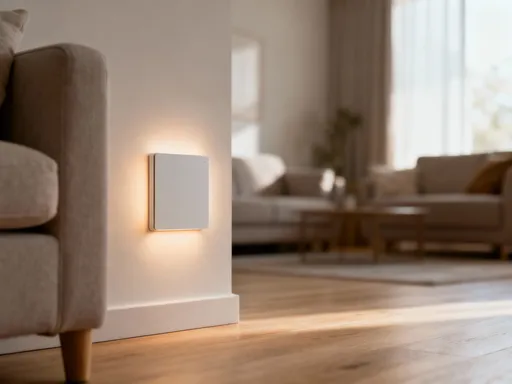
When we started installing these tools, I was nervous. Would it feel cold? Mechanical? Like the house had turned into some kind of robot? But the opposite happened. Within days, I realized these devices weren’t intruding—they were blending in. The motion sensor in the hallway looks like a small white box, no bigger than a matchbook. The door sensor is thin and sticks neatly to the frame. The smart pill dispenser? It sits on the counter like a friendly little clock, glowing softly when it’s time for medication. Nothing screams “technology.” Nothing feels clinical. And that’s the point.
Take the stove monitor. My dad used to leave the burner on by accident—nothing serious, just forgetfulness. We worried, but nagging didn’t help. Then we got a smart plug that connects to the stove. If it’s on for more than 30 minutes with no movement detected, it shuts off automatically. No drama. No yelling. Just safety built into the background. One night, it turned off the stove while he was dozing in the living room. He didn’t even know until we mentioned it the next day. “Oh,” he said, “I must’ve forgotten. But the stove took care of it.” He laughed. And I nearly cried—because in that moment, I knew he was safe, even when I wasn’t there.
The pill dispenser has been a game-changer too. It’s programmed with his schedule, and at 9 a.m. and 7 p.m., it makes a soft chime and a light flashes. If he doesn’t open it within 15 minutes, I get a text: “Medication not taken.” I can call, or my sister can. Sometimes it’s nothing—he’s just in the garden. But once, he didn’t respond, and we called. Turns out, he was feeling dizzy and had sat down to rest. We got him to drink water and lie down, and he was fine. But without that alert? He might have stayed there for hours. That small device didn’t just remind him to take his pills. It reminded us to care.
And the motion sensors? They’ve become our silent storytellers. If I see that he moved around at night, I sleep better. If the bathroom light turns on at 3 a.m., I know he’s up and active. If there’s no movement for 12 hours, that’s when I call. It’s not about control. It’s about connection. These tools don’t replace phone calls or visits. They make them more meaningful. Because now, when I call, I’m not starting with “Are you okay?” I’m starting with “I saw you had breakfast—how was the toast?” That shift—from worry to warmth—has changed everything.
“It’s not about spying—it’s about caring” – Balancing trust and technology
Let’s be honest: bringing up monitoring tools with a parent can be awkward. I was scared my mom would think I didn’t trust her, or that I was treating her like a child. So we didn’t start with sensors or apps. We started with a conversation. We sat at her kitchen table, had tea, and I said, “Mom, I love that you’re still living in your home. It means so much to you—and to us. But I lie awake sometimes, wondering if you’re okay. I don’t want to bother you, but I also don’t want to miss something important. Is it okay if we look into tools that help us both feel more at ease?”
Her first reaction? “You think I can’t take care of myself?” My heart sank. But instead of defending, I listened. I said, “No, Mom. I know you can. But even the strongest people need a little backup sometimes. This isn’t about taking anything away. It’s about giving you more freedom—so you can keep living your life, and I can stop worrying so much.” We talked about how the tools work—no cameras, no recording, just small sensors that notice patterns. We showed her the pill dispenser. We let her pick where the motion sensor would go. And slowly, her resistance softened.
She started calling it her “peace of mind team.” She liked that she had control. She could turn off alerts if she wanted. She knew exactly what each device did. There was no secrecy. And that transparency made all the difference. She didn’t feel watched. She felt supported. One day, she told me, “I don’t mind these little gadgets. They’re like having you here, without you hovering.” That sentence still brings tears to my eyes. Because that’s what we all want—to be close, without smothering. To care, without controlling. And when you frame it that way, technology stops being a threat and starts being a bridge.
The key, I’ve learned, is language. Saying “We’re installing monitoring” sounds scary. But saying “We’re adding some helpers so you can stay you, for as long as possible,”? That lands differently. It’s not about fear. It’s about love. It’s not about decline. It’s about dignity. And when your parent feels respected, they’re more likely to embrace the tools that protect them.
When the system quietly intervened – A near-miss that changed everything
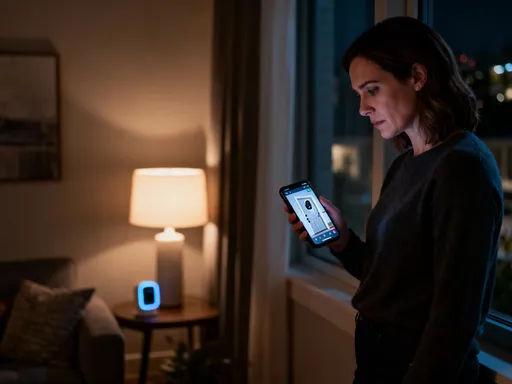
It was 3 a.m. on a Tuesday. My phone buzzed with a soft alert: “No movement detected in 8 hours.” At first, I thought it was a glitch. Maybe the sensor fell off. Maybe he was just sleeping deeply. But something in my gut said, call. I dialed his number. No answer. I called my sister. She tried too. Nothing. We both jumped in our cars. On the drive, my hands were shaking. What if he fell? What if he’s hurt and can’t reach the phone?
When we got there, he was in his armchair, awake but pale, sipping water. He’d woken up around 11 p.m. with dizziness and nausea. He tried to get up, but his legs felt weak. He didn’t want to scare us, so he stayed put, thinking he’d feel better in the morning. He hadn’t eaten since lunch. He was dehydrated and exhausted, but alert. We got him to the clinic, where he was given fluids and rest. The doctor said, “Another 12 hours like that, and it could’ve been serious.”
What hit me wasn’t the scare—it was the quiet power of that alert. It didn’t scream. It didn’t flash. It didn’t require him to press a button or remember to call. It just noticed. It saw what we couldn’t. And because of that one small notification, we caught it early. No ambulance. No hospital stay. Just a quiet intervention that kept him safe at home, where he wanted to be.
After that night, everything shifted. My dad stopped seeing the sensors as “those gadgets” and started calling them “my little guardians.” He didn’t feel less independent. He felt more secure. Because now, he knew that even if he didn’t call for help, help could still find him. And for us? The relief was overwhelming. We didn’t have to live in fear of the next emergency. We had a safety net—one that worked while we slept.
Setting it up without stress – A beginner’s guide to getting started
If you’re thinking about trying something like this, I get it—tech can feel overwhelming. I’m not an engineer. I barely set up my Wi-Fi. But here’s the good news: these systems are designed for people like us. Most are plug-and-play, with apps that walk you through every step. You don’t need to be tech-savvy. You just need to care.
Start small. Pick one concern—maybe it’s medication, or nighttime bathroom trips, or knowing they’ve had breakfast. Then choose one tool that addresses it. For example, if falls are your worry, begin with a motion sensor in the hallway or bedroom. Place it high on the wall, facing the path to the bathroom. It should cover movement but not peer into private areas. Most sensors connect to a small hub that plugs into a power outlet and links to your home Wi-Fi. Once set up, you download the app, create an account, and invite family members to join. Now, everyone who needs to know gets alerts.
For medication, a smart dispenser is simple. You load the pills into the slots, program the times, and it chimes when it’s time. If it’s not opened, the app notifies you. Some even come with voice reminders. For kitchen safety, a smart plug or stove sensor can be installed in minutes. Just plug it in, pair it with the app, and set the timer. If the stove runs too long, it shuts off. Easy.
Test everything. Run through a few days of normal use. Make sure alerts come through. Show your parent how it works. Let them see the app. Answer their questions. The more they understand, the more they’ll accept it. And remember: you don’t have to do it all at once. Add one piece at a time. Let the home adapt. Let your family adapt. This isn’t a race. It’s a journey toward peace.
More than safety – How peace of mind changed our family’s rhythm
The biggest change wasn’t in my parents’ house. It was in mine. I sleep better now. I don’t wake up wondering if Mom fell. I don’t cancel plans because I’m too anxious to leave. I can focus at work, enjoy dinner with my kids, laugh with friends—because the weight of constant worry has lifted. And my sister? She took a vacation for the first time in years. “I actually relaxed,” she said. “I didn’t check my phone every five minutes.”
But the real gift has been for my parents. My dad moves with more confidence now. He gardens, walks the dog, hosts family dinners—because he knows he’s not alone. The tools aren’t watching him. They’re watching for him. And that subtle difference has given him freedom, not restriction.
This technology didn’t fix aging. It didn’t stop time. But it did something powerful: it gave us space to love without fear. We talk more. We laugh more. We visit more—because we’re not coming over to check on them. We’re coming to be with them. The alerts haven’t replaced our relationship. They’ve protected it.
So if you’re sitting there, heart heavy with that quiet worry, know this: you’re not alone. And you don’t have to choose between their independence and your sanity. There’s a way to have both. It’s not flashy. It’s not perfect. But it’s real. It’s kind. And it’s quietly, beautifully changing lives—one gentle alert at a time.