Tracked 300 Grocery Trips in 8 Months: The App That Saved My Budget and My Health
Remember that sinking feeling when your wallet’s empty but your pantry’s still half-full? I’ve been there—rushing through grocery lists, overspending on snacks, and forgetting the veggies. Then I started tracking every trip with a simple app. Within weeks, I wasn’t just saving money—I was eating better, planning smarter, and actually enjoying shopping. It wasn’t magic, just small changes powered by tech. If you’ve ever felt stuck in a cycle of waste and stress, this journey might just change how you see your cart—and your life.
The Grocery Grind That Wore Me Down
There was a time when grocery shopping felt less like a chore and more like a recurring defeat. I’d walk into the store already tired—maybe from a long day at work, or after dropping the kids at school, or just from the quiet weight of managing everything at home. My list? Scribbled on a napkin or forgotten entirely. I’d wander the aisles, grabbing what looked easy, what the kids liked, what caught my eye in a flashy display. By the time I reached the checkout, my cart was full of things I hadn’t planned to buy: a bag of cookies here, a frozen meal there, a new flavor of soda 'just to try.'
And then came the receipt—long, crinkled, and way over budget. $110. $135. Once, nearly $160 for just three days of meals. I’d stare at it in the parking lot, feeling that familiar mix of guilt and exhaustion. Where did the money go? Why did I keep buying the same snacks that got half-eaten and tossed? And why did I always forget the one ingredient I actually needed?
It wasn’t just about the money, though that was hard enough. It was the time wasted, the energy drained, the constant mental load of trying to feed a family well while staying within limits. I’d come home with bags full of food, yet the fridge still felt bare. I’d serve dinner knowing I’d overpaid for processed stuff and under-bought real nourishment. My health slipped quietly—more fatigue, less energy, a few extra pounds that didn’t budge. And I knew I wasn’t alone. So many of us are just one missed list away from overspending and under-planning. The cycle felt endless, and I didn’t know how to break it—until I tried something simple: tracking every single trip.
How a Simple App Changed My Shopping Mindset
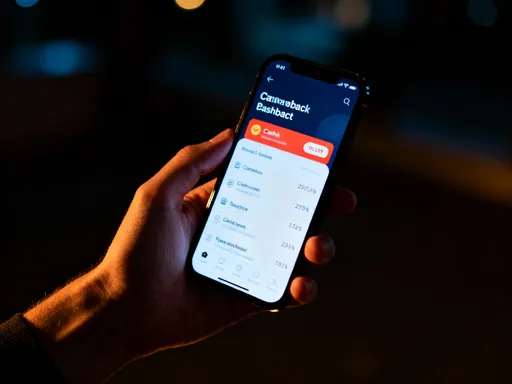
I didn’t start with big ambitions. I just downloaded a basic shopping tracker app—nothing flashy, no AI, no complicated charts. Just a place to log what I bought and how much I spent. I wasn’t even sure I’d stick with it. But something shifted the very first time I opened it in the store. I was about to toss a $5 energy drink into my cart—something I’d done a dozen times before—when I paused. I remembered I was tracking. I thought, 'Do I really need this? Will it make my day better? Or am I just grabbing it because it’s cold and shiny?'
That pause was everything. I put the drink back. And when I logged my trip later, I saw the total: $87 instead of the usual $110. Not a huge difference, but it felt like a win. Over the next few weeks, I kept logging. I noticed patterns I’d never seen before. Like how I spent $40 a week on sugary drinks and snacks—money that could’ve covered fresh fruit for the whole family. Or how often I bought something 'on sale' that I didn’t actually need, just because it felt like a deal.
The app didn’t judge me. It didn’t send pushy alerts or tell me what to eat. It just showed me the truth. And that truth was powerful. I started asking myself different questions before I bought anything: 'Have I used the last one?' 'Will this go to waste?' 'Is there a healthier or cheaper option?' The app became a quiet partner in my cart, not a boss, but a gentle reminder to be mindful. I wasn’t cutting out treats—I still enjoy a small treat now and then—but I was making choices with intention, not impulse. And that made all the difference.
Linking Savings to Health: A Surprise Connection
Here’s what I didn’t expect: as I started saving money, I also started eating better. It wasn’t because the app told me to eat kale or drink green juice. It was because I could finally see what I was actually buying. When I looked at my spending log, I realized how much of my budget was going to things that didn’t fuel me—sugary cereals, packaged snacks, processed meals with hidden sodium. The more I saw it, the less I wanted it.
One week, I noticed I’d spent $32 on soda and flavored drinks. That same amount could’ve bought fresh fruit, nuts, and sparkling water for the whole week. So I tried something: I bought a big bottle of sparkling water and some fruit to infuse it. My kids loved it. We saved money, and I felt better. No energy crashes. No afternoon sugar slump. Just simple, real refreshment.
Another time, I saw how much I was spending on pre-cut fruit—convenient, yes, but three times the price of whole fruit. I started buying whole apples, bananas, and oranges. I spent ten minutes washing and slicing them on Sunday nights. It became a little ritual. The kids helped. We talked. And suddenly, healthy eating wasn’t a chore—it was part of our rhythm. The app didn’t preach. It just showed me where my money went, and that awareness led to better choices. I wasn’t on a diet. I was making smarter, kinder choices for my body and my budget. And the two started moving together, like steps in the same dance.
Teaching My Family Without Saying a Word
One of the most surprising parts of this journey was how it changed my family—without me ever giving a lecture. I didn’t post rules on the fridge. I didn’t nag the kids about eating veggies. I just kept showing up, calm and prepared, with a real list and a clear plan. And slowly, they noticed.
My daughter started asking, 'Are we getting apples today?' before I even mentioned them. My son began pointing at items and saying, 'That’s expensive, Mom. Is it on the list?' My partner, who used to joke that grocery shopping was 'her domain,' started checking the app before adding things to the cart. 'Is this in the budget?' he’d ask. 'Did we already buy something like this?'
I realized that consistency speaks louder than words. When they saw me making thoughtful choices, they began to mirror them. We started talking about food differently—not as 'good' or 'bad,' but as 'worth it' or 'not right now.' We planned meals together on Sunday nights. The kids picked one new vegetable to try each week. We celebrated small wins: 'We stayed under budget!' 'We ate all the fruit!' 'No food waste this week!'
It wasn’t perfect. We still had nights when we ordered pizza or grabbed something quick. But those became the exception, not the rule. The app didn’t fix our habits—it gave me the tools to model better ones. And in doing so, it helped create a home where mindful spending and healthy eating weren’t chores, but shared values. We weren’t just saving money—we were building a culture of care, one grocery trip at a time.
Progress That Sticks: Beyond Short-Term Wins
After a few months, I looked back at my data and realized something important: this wasn’t a short-term fix. I wasn’t just saving money for a month and then slipping back. I was building awareness that stuck. The app’s history feature let me see trends over time—like how I spent more in winter when fresh produce was pricier, or how holiday weeks always ran over budget.
Instead of beating myself up, I started planning ahead. I’d set a higher budget for December, knowing parties and gifts would stretch us. In summer, when berries and tomatoes were cheap and abundant, I’d buy extra and freeze them. I learned to adjust, not punish. The app helped me see that flexibility isn’t failure—it’s wisdom.
I also noticed how my confidence grew. I stopped feeling guilty when I spent a little more on organic milk or a special ingredient for a family recipe. I knew where my money usually went, so I could make informed choices. I wasn’t afraid to spend when it mattered—I just wanted to be intentional. And that made all the difference. The app didn’t lock me into rigid rules. It gave me the clarity to make my own decisions, with my values in mind. That’s what made the change last: it wasn’t imposed. It was chosen.
The Quiet Confidence of Being in Control
There’s a quiet joy in walking into the grocery store knowing what you need, what you can afford, and why you’re buying it. I don’t rush. I don’t panic. I don’t stand in the snack aisle wondering if I should 'treat myself.' I just shop—with purpose, with peace, with a sense of calm I didn’t know was possible.
It’s not about being perfect. I still make mistakes. I still buy something I don’t use. But now, I notice it. I learn from it. I adjust. The app gave me a mirror, not a rulebook. And in that reflection, I saw not just my spending, but my priorities, my habits, my energy. I saw where I was giving my time and money—and where I could give it more wisely.
The biggest change wasn’t in my bank account. It was in how I feel. Less stress. More clarity. A quiet pride in taking care of my family well, without burning out. I’m not a superhero. I’m just a woman who found a simple tool that helped her see clearly. And that clarity? It’s priceless. It’s the difference between feeling overwhelmed and feeling capable. Between reacting and choosing. Between surviving and thriving.
Your Turn: Start Small, See Big Changes
If this resonates with you—if you’ve ever looked at a receipt and wondered where it all went, or felt guilty about food waste, or just wanted to feel more in control—here’s my invitation: start small. Don’t overhaul your life. Don’t download ten apps. Just pick one simple tracker and use it for three shopping trips. That’s it.
Log what you buy. Notice what you spend. Pay attention to how you feel before and after. You don’t need to cut out coffee or never eat out again. Just see what’s really happening. Awareness is the first step. And from there, small changes grow.
Maybe you’ll notice you spend more on drinks than you thought. Maybe you’ll realize how often you buy something 'on sale' that you don’t use. Maybe you’ll see a pattern that surprises you. And maybe—just maybe—that awareness will spark a shift, like it did for me.
This isn’t about chasing the lowest bill or eating perfectly. It’s about building a life where your money, your health, and your peace of mind move together. Where shopping isn’t a source of stress, but a chance to care for yourself and your family. Where technology doesn’t complicate things, but helps you live with more intention.
You don’t need a miracle. You just need a mirror. And sometimes, the right app can be that mirror. So go ahead—track your next trip. See what you see. And let that be the start of something quieter, smarter, and more joyful. One cart at a time.