Cut my parents’ anxiety in half: The smart wall control that keeps them safe and connected
You know that knot in your stomach when you’re far from your aging parents? I did—until we installed a simple smart wall panel in their living room. It didn’t look like much, just a sleek touchscreen replacing an old light switch. But within days, it changed everything: fewer missed calls, no more “Did I lock the door?” worries, and real peace of mind. This isn’t about high-tech overload—it’s about one thoughtful tool making their independence safer, and my life a whole lot calmer. What started as a small fix turned into a lifeline—not just for my mom, but for all of us who love her.
The Moment Everything Changed
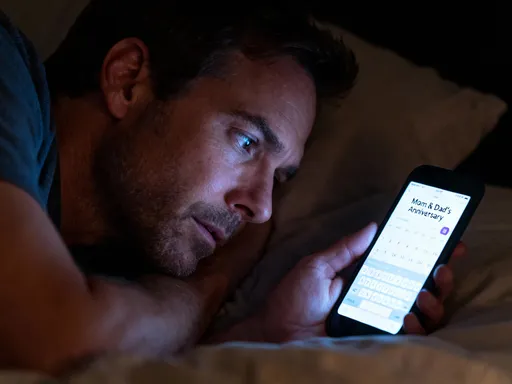
I’ll never forget that 2 a.m. phone call. My mom’s voice was shaky. “I think I left the stove on,” she said. “But I can’t remember if I turned it off after dinner.” I was 300 miles away, half-awake, and completely helpless. I could hear the fear in her voice—fear of making a mistake, fear of being a burden, fear of something going wrong while no one was there. I talked her through checking the knobs, but she wasn’t sure. Eventually, she opened the windows and sat in the living room until morning. That night changed everything for me.
It wasn’t the first time she’d called with a worry like this. There had been others—did she lock the front door? Was the garage closed? Did the medicine get taken? Each call chipped away at her confidence and deepened my guilt. I wanted to help, but I didn’t want to helicopter. I didn’t want to take away her independence—just make it safer. I began searching for something simple, something that didn’t require her to learn a new app or carry a device. Something that felt natural in her home, not like a medical alert system or a piece of lab equipment.
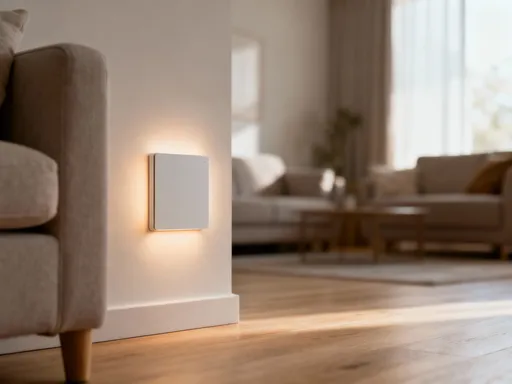
What I found was a smart wall control panel—basically a modern, touch-sensitive wall switch with a few extra brains. It replaced an outdated light switch in her living room, same height, same spot, same routine. No extra gadgets. No charging cables. No complicated setup. Just a clean, flat screen that responded to a tap. I didn’t realize it then, but this small change would become one of the most meaningful decisions I’ve ever made for her—and for me.
Why Simplicity Wins for Aging Independently
Let’s be honest: a lot of technology marketed to seniors misses the mark. It’s either too flashy, too complicated, or it assumes people want to live like tech enthusiasts. My mom isn’t afraid of technology—she texts her grandkids and watches shows on her tablet—but she doesn’t want to spend time figuring out how things work. She wants things to just work. And that’s where so many smart home devices fail. Too many steps. Too many passwords. Too many notifications.
The smart wall control we chose is different. It’s mounted at eye level, right where the old switch was. It’s the first thing she sees when she walks into the room. The interface is clean—large icons, high contrast, no tiny text. To turn on the lights, she taps a lightbulb. To adjust the temperature, she swipes up on a thermostat icon. To call me, she taps my picture. That’s it. No unlocking a phone. No scrolling through apps. No remembering passwords. It’s always there, always charged, always ready.
That consistency matters more than most people realize. When you’re managing memory lapses or just tired at the end of the day, having one reliable, familiar thing makes a huge difference. She doesn’t have to search for it. She doesn’t have to charge it. It doesn’t disappear into a purse or get left in another room. It’s part of the wall—like a doorknob or a window latch. And because it’s so simple, she actually uses it. No frustration. No confusion. Just quiet confidence.
Another thing I didn’t expect? She started showing it off. “Look,” she told her friend during a visit, “I can turn on the porch light without getting up.” That little moment of pride meant more than any tech feature ever could. It wasn’t just about safety or convenience—it was about dignity. She wasn’t losing control. She was gaining it.
How the Smart Panel Became a Lifeline
At first, we used the panel mostly for lights and temperature. But over time, we discovered how powerful it could be for connection. The biggest relief? The one-tap check-in. There’s a button on the screen labeled “I’m okay.” When she taps it in the morning, I get a gentle notification on my phone. It’s not a text. Not a call. Just a small alert that says, “Mom checked in.” If she doesn’t tap it by 10 a.m., I get a different kind of alert—one that says, “No morning check-in.” That’s when I call.
It’s not about surveillance. It’s about shared peace of mind. She’s not being watched. She’s not on camera. No one’s listening. But the system does use motion sensors in key areas—like the kitchen and hallway—to detect movement. If there’s no activity by mid-morning, I get a quiet heads-up. Not a flood of data. Not a live feed. Just a nudge that says, “Something might be off.” And that small signal has made all the difference.
There’s also a “Need help” button—bright red, but not alarming. She tapped it once after tripping on the rug. She wasn’t hurt, but she was shaken and wanted someone to know. I got the alert instantly. I called her, then called her neighbor, who stopped by to make sure she was okay. No ambulance. No panic. Just quick, calm support. That’s the kind of response we all want—fast, human, and kind.
What surprised me most was how much safer she feels knowing the help button is right there. It’s not a panic alarm with a loud siren. It’s quiet. Private. She doesn’t feel embarrassed using it. And I don’t feel helpless anymore. I’m not guessing if she’s okay. I’m not calling every day just to check. The system gives us both space—and connection—exactly when we need it.
Built-In Privacy: Why Data Protection Isn’t an Afterthought
I’ll admit, I had my doubts at first. Any system that tracks movement or sends alerts has to handle data responsibly. I asked a lot of questions before we installed it. Who has access to her information? Is it stored in the cloud? Could someone hack into it? I didn’t want to trade safety for privacy. That would defeat the whole purpose.
The company we chose takes privacy seriously. The data from the motion sensors stays on a local hub in her home—no third-party servers, no cloud storage. The only time information leaves the house is when an alert is sent, and even then, it’s encrypted from end to end. I had a long conversation with their support team to make sure I understood how it worked. No fine print. No hidden clauses. They don’t sell data. They don’t use it for ads. They don’t even keep logs longer than 30 days.
The settings are locked down too. Once we set it up, she can’t accidentally delete a contact or turn off the alerts. I control the admin settings through a secure app, but she only sees the simple interface on the wall. No confusing menus. No accidental changes. And if someone were to break in and take the panel, it’s useless without the hub and the account. It’s not like a phone you can just turn on and scroll through.
What matters most is that she feels in control. She knows what the system does. She approved every feature. She can disable the motion tracking anytime. This isn’t about monitoring—it’s about empowering her to live safely, on her own terms. And knowing that her privacy is protected gives me one less thing to worry about.
Real-Life Moments That Made It Worth It
The true test of any technology is how it holds up in real life—especially in quiet, unglamorous moments. Last winter, we got hit with a sudden cold snap. One night, the temperature in her house dropped fast. The furnace had shut off, and she didn’t notice until she felt the chill. But the smart panel did.
It detected the drop and automatically adjusted the thermostat to bring the heat back up. At the same time, it sent me a low-priority alert: “Temperature below set point.” I didn’t get a flood of messages. No flashing lights. Just a simple notification. I called her the next morning. “The house was warm all night,” she said. “I didn’t even know there was a problem.” That’s the kind of invisible support I wanted—technology working quietly in the background, not demanding attention.
Another time, she tapped the “Need help” button after feeling dizzy in the kitchen. I got the alert while I was at work. I called her right away. She answered, sounded a little shaky, but said she was sitting down and feeling better. Still, I called her neighbor, who came over with tea and stayed for an hour. Later, my mom said, “I didn’t want to bother anyone, but I’m glad I tapped it.” That’s the balance we needed—support without pressure, care without panic.
And then there was the night she forgot to close the garage. The system detected motion in the garage after 10 p.m. and sent an alert. I called. “The garage door is open,” I said. “Should I close it for you?” She laughed. “Oh! I was bringing in the groceries and got distracted.” I used the app to close it remotely. No trip outside. No ladder. No stress. Just a small fix, handled fast.
These aren’t dramatic rescue stories. There’s no helicopter, no flashing lights, no emergency room. But they’re everything. They’re the moments that keep her safe, keep her at home, keep her independent. And they’re the moments that let me breathe a little easier.
How to Set It Up Without Stress
If you’re thinking about something like this for your parent, I get it—change can feel overwhelming. But the setup was easier than I expected. We hired a licensed electrician—it took less than an hour. He turned off the power, removed the old switch plate, wired in the new panel, and tested it. No drywall damage. No rewiring the house. Just a clean, professional install.
We chose a white frame and a minimalist design so it wouldn’t stand out. We didn’t want it to look like a medical device or a piece of tech gear. We wanted it to look like part of the home. And it does. Guests don’t even notice it unless they’re looking. To them, it’s just a modern light switch. But to us, it’s so much more.
Teaching my mom how to use it was simple. I didn’t dump all the features on her at once. We started with three things: turning on the lights, adjusting the temperature, and tapping my photo to call me. We practiced each one during a quiet afternoon. “Show me how to turn on the living room lights,” I’d say. She’d tap the screen. “Perfect,” I’d reply. We did it a few times until it felt natural.
Then, I set up automatic routines so she wouldn’t have to think about daily tasks. Lights turn on at sunset. Night mode activates at 10 p.m.—dimming the lights and turning off non-essential devices. The thermostat adjusts based on the time of day. She doesn’t need to remember any of it. It just happens. Over time, she added more features—like the check-in button and the help alert—but only when she was ready.
The key? Go slow. Focus on her needs, not every bell and whistle. Let her take the lead. Celebrate the small wins. And remember: this isn’t about perfection. It’s about progress.
More Than Tech—It’s Peace of Mind for the Whole Family
One of the best decisions we made was giving my siblings access too—with my mom’s permission, of course. Now, if I’m traveling or busy, my sister can get the check-in alerts. My brother can adjust the thermostat if there’s a storm. We’re all in the loop, but no one is overwhelmed. The system sends only essential notifications, so it doesn’t flood our phones. We’re not micromanaging her life. We’re just staying connected in a way that feels right.
And here’s what I didn’t expect: she feels closer to us. She says she doesn’t feel alone anymore. She knows we’re just a tap away. But she also feels more independent. She’s not waiting for someone to call. She’s not asking permission to do things. She’s living her life—with a little extra support built in.
For us, the guilt has lessened. We don’t worry as much. We don’t call as often just to check. We trust the system, but more than that, we trust her. And that’s the real gift. This isn’t about replacing family. It’s about making family stronger. It’s about staying close without being in each other’s space. It’s about loving someone deeply while still honoring their need for freedom.
The smart wall control didn’t just upgrade her home. It upgraded our relationship. It gave her confidence. It gave me calm. It gave all of us a little more room to breathe. And in a world that often feels too fast, too loud, too uncertain, that’s worth more than any gadget could ever promise.