Tired of Losing Files Between Work, Home, and Your Kid’s School Projects? This App Finally Brought My Chaos Into Rhythm
We’ve all been there—frantically searching for a document across three devices, realizing too late that the version on your laptop is outdated, or missing a deadline because the file you needed was stuck on your home computer. I used to live in that stress, juggling work reports, family schedules, and personal goals like a poorly coordinated circus act. But everything shifted when I stopped fighting my rhythm and started syncing with it—literally. Let me tell you how one simple change in how I handle files transformed not just my productivity, but my peace of mind.
The Daily Grind: When Life Moves Faster Than Your Files
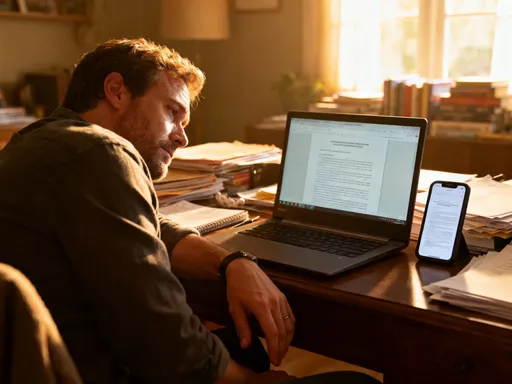
Picture this: it’s 7:45 a.m., the kids are arguing over breakfast, the dog needs a walk, and you’re trying to find that one school permission form you promised to print before the bus arrives. You remember saving it—on your work laptop. Which is still charging in the home office. You run upstairs, open the laptop, only to see the dreaded spinning wheel. When it finally loads, you realize the file was updated last night on your tablet… and never saved to the laptop. That moment—the frantic click, the sinking stomach, the deep breath you take so the kids don’t see you losing it—that used to be my normal.
And it wasn’t just school forms. It was work presentations sent in outdated versions, grocery lists forgotten because they were in a notebook on the kitchen counter while I was at the store, or vacation plans that changed three times because no one had the latest update. I blamed myself for years. Why can’t I keep it together? Why do I always forget? But the truth was, it wasn’t me. It was the way I was using technology—or rather, the way it wasn’t working for me. I had files scattered across devices like puzzle pieces that never quite fit. Every time I switched locations—home, car, school, office—I had to mentally reload where everything was. It wasn’t just inconvenient. It was exhausting.
What I didn’t realize then was that this kind of digital disorganization doesn’t just slow you down. It chips away at your confidence. You start doubting yourself. You feel like you’re always one step behind. And when you’re a mom, when your family counts on you to hold things together, that weight feels heavier. I wasn’t just losing files. I was losing time, energy, and peace. The tools were supposed to help, but instead, they were adding to the noise. I needed something that moved with me, not against me.
Breaking the Cycle: How I Finally Stopped Chasing My Own Data
The turning point came on a rainy Tuesday. My daughter needed a project printed at school by 9 a.m., and I swore I’d sent it from my phone the night before. But when her teacher checked, the file wasn’t there. I had sent an older version—missing the final edits—because I hadn’t realized my phone hadn’t synced with my home computer. I rushed to the school with a USB drive, hair still wet, coat half-zipped, apologizing to the secretary like I’d committed a crime. On the drive back, I cried. Not because of the project, but because I was tired of feeling like I couldn’t keep up with my own life.
That afternoon, I called my friend Lisa. She’s always been calm, put-together, like she has a secret. I told her my story, expecting sympathy. Instead, she said, “Wait… you’re not using cloud sync?” I blinked. “I use email to send files to myself?” She laughed—not unkindly—and said, “Honey, there’s an app for that. One that just… keeps everything in sync, everywhere.” She told me about a file synchronization app she’d been using for years. Not because she’s techy, but because it made her life easier. “It’s like magic,” she said. “But the good kind. The kind that gives you your time back.”
I downloaded it that night. No fanfare. No complicated setup. I just followed the prompts, signed in on my phone, laptop, and tablet, and let it do its thing. Within minutes, it was pulling in all my documents, photos, and folders from each device, spotting duplicates, organizing versions, and creating a single source of truth. I remember opening my laptop the next morning and seeing the updated school project—already there, already current. No upload, no email, no stress. It was just… ready. And in that moment, something inside me relaxed. I wasn’t chasing my data anymore. It was moving with me.
Syncing More Than Files: How My Family Found a Shared Rhythm
What surprised me most wasn’t how much easier my own life got—it was how quickly it improved our whole family’s rhythm. I invited my husband to join the shared folders. At first, he was skeptical. “I don’t want another app,” he said. But then I showed him the grocery list. I’d added “avocados and oat milk” from the pharmacy while waiting for a prescription. He opened the app from his office and added “toilet paper” and “dog treats” before his meeting. By the time I got to the store, the list was complete, color-coded, and checked off in real time. “Okay,” he said, “this is kind of amazing.”
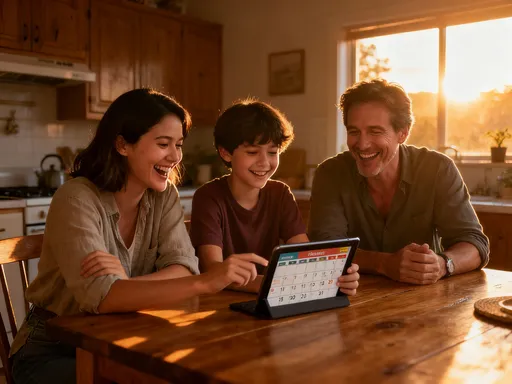
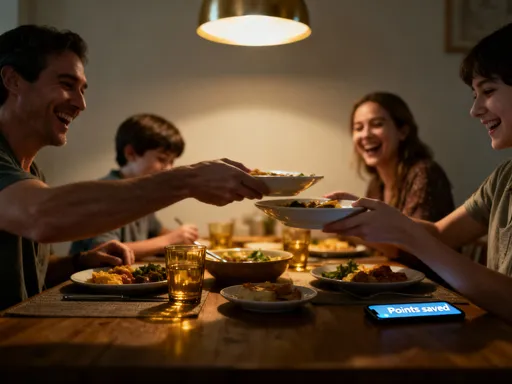
We started building shared spaces—“Family Calendar,” “Vacation Planning 2025,” “School Projects.” Our teenage daughter, who used to groan every time we asked for her homework updates, now drops her drafts into the folder without being asked. “It’s easier than texting,” she said. “And I don’t lose it.” My younger son uses the voice note feature to record his book reports, which I can listen to while folding laundry. We’re no longer passing files like hot potatoes. We’re sharing a system. And that small shift—knowing we’re all on the same page—has reduced so many little conflicts. No more “I thought you were handling that.” No more duplicate purchases. No more last-minute surprises.
It’s not just about efficiency. It’s about connection. When everyone in the house feels included and informed, there’s less friction. We’re not just sharing files—we’re sharing responsibility, attention, and care. The app became a silent partner in our family’s teamwork. And honestly? It made us feel more like a unit. Like we’re building something together, one shared document at a time.
From Chaos to Calm: The Emotional Payoff of Digital Peace
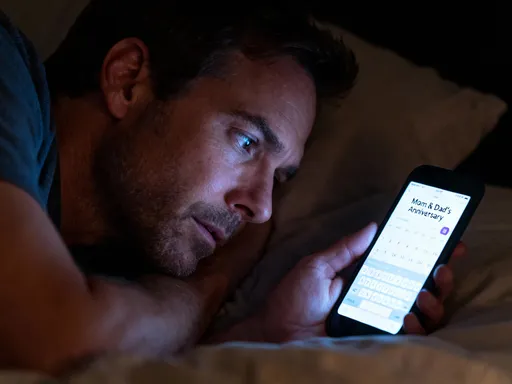
The biggest change wasn’t visible on any screen. It was how I felt inside. The constant low-level anxiety—the fear of missing something, of letting someone down, of showing up unprepared—started to fade. I stopped waking up in the middle of the night wondering if I’d sent the right file. I stopped double- and triple-checking my email before leaving the house. I could close my laptop at the end of the day and truly disconnect, knowing nothing was lost, nothing was stranded on another device.
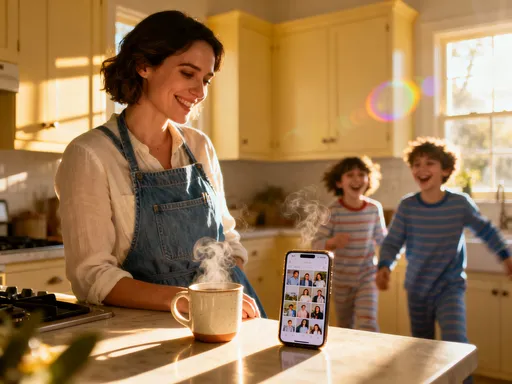
That mental space—freed from digital clutter—started to overflow into other areas of my life. I had more patience with the kids. I listened better during conversations. I even started journaling again, something I hadn’t done in years. It turns out, when your tools aren’t fighting you, you have energy for the things that matter. I began to notice small joys: the way the morning light hits the kitchen table, the sound of my daughter laughing on a video call with her grandma, the quiet of an early Saturday before anyone else is awake.
Technology is often blamed for stealing our attention, for making us feel overwhelmed. But this experience taught me that it doesn’t have to be that way. When used with intention, tech can give attention back. It can create stillness. It can protect your peace. This app didn’t just organize my files—it organized my mind. And in doing so, it helped me show up as the mom, the partner, the person I want to be. Not perfect. But present. Not stressed. But steady.
Building a Personal System: How I Made It Work for My Real Life
Here’s the truth: the app didn’t fix everything overnight. I had to build a system that worked for *my* life, not someone else’s. At first, I tried to make everything perfect—color-coded folders, subfolders for subfolders, naming conventions that looked like a spreadsheet. It was overwhelming. So I simplified.
I created just a few main folders: “Work – In Progress,” “Family,” “Personal,” and “Archive.” Under “Family,” I have “School,” “Appointments,” “Recipes,” and “Photos.” Each has a clear icon and color. I use the app’s tagging feature to mark things as “Urgent,” “Waiting on Reply,” or “For Later.” When I save a file, I take two extra seconds to name it clearly—like “Science_Project_Draft3_Maya_0422” instead of “final_final_revised.” It sounds small, but it saves me minutes every time I search.
I also set up automatic backups. The app runs in the background, syncing every few minutes. I don’t have to think about it. It’s like having a quiet helper who tidies up while I’m busy living. And I use the mobile scanning feature to digitize paper—permission slips, receipts, handwritten notes—so nothing gets lost in a backpack or drawer. I even set up a shared “Gratitude Journal” with my sister, where we drop in photos or voice notes of small happy moments. It’s become one of my favorite rituals.
The goal wasn’t perfection. It was sustainability. I wanted a system that didn’t add to my to-do list—that actually removed things from it. And that’s what I built. One that works whether I’m at soccer practice, on a work call, or lying in bed with a cup of tea. A system that feels like second nature, not another chore.
Growth in the Background: How Small Tech Habits Fuel Big Change
What I didn’t expect was how this small change would ripple into other parts of my life. Once I stopped wasting energy on digital chaos, I had more room to grow. I started planning meals on Sundays because I could access my recipe folder from the grocery store. I began writing short essays again—something I’d loved in college—because I could save drafts and pick them up anywhere. I even joined a local walking group because I could track my schedule and appointments without fear of missing one.
It’s like clearing clutter from your home. Once the space is open, you start wanting to fill it with better things. My brain, once crowded with “Did I send that?” and “Where is that file?”, now has room for ideas, dreams, and creativity. I’m more proactive. I set goals—not just for the week, but for the year. And I track them in a simple document that syncs across devices, so I can check progress anytime.
This isn’t about becoming superhuman. It’s about removing friction so you can be more human. When the small things are handled—when your tools work *with* you, not against you—you have the bandwidth to focus on what really matters. You can be more patient, more curious, more courageous. You can try new things, not because you have more time, but because you have more mental space. And that, I’ve learned, is where real growth happens.
A Life That Moves With You: Why Syncing Files Feels Like Syncing With Yourself
Looking back, I realize this wasn’t just about technology. It was about alignment. For years, I was out of sync—with my tools, with my rhythm, with myself. I was trying to force my life into systems that didn’t fit. But when I found a tool that moved with me, everything changed. It wasn’t magic. It was design. Good design—one that understands real life, real families, real messiness.
Now, when I open my laptop on the couch while the kids watch a movie, I don’t worry. I know my files are there. When I get a work idea at 6 a.m., I can jot it down on my phone and find it later on my desktop. When my daughter needs a last-minute printout, I can send it from my wristwatch. Life doesn’t stop, and neither does the sync. And in that continuity, I’ve found something rare: a sense of calm confidence.
This app didn’t just organize my digital life. It helped me trust myself again. It reminded me that I’m capable, that I can handle what comes my way. And it gave me back something priceless—peace of mind. Because when your tools support you quietly and reliably, you’re free to focus on what you love: your family, your dreams, your days as they unfold.
If you’re still sending files to yourself by email, still losing things between devices, still feeling like technology is one more thing to manage—know this: it doesn’t have to be that way. You don’t have to chase your life. You can flow with it. And sometimes, all it takes is one small change to bring everything into rhythm.