Tired of the "Where Are You?" Game Before Every Hangout?
You know the drill—your phone buzzes with “Where are you?” for the tenth time, while you’re already in the car, stuck in traffic. Everyone’s waiting, no one’s synced, and the fun hasn’t even started. What if meeting up felt effortless? Not just convenient, but actually enjoyable from the very first text? I’ve been there too—until a simple tech tweak changed how my friends and I connect. It’s not magic, just smart use of something already in your pocket. Let me show you how we stopped chasing each other and started actually hanging out.
The Endless “Where Are You?” Loop That Kills the Vibe
Remember the last time you were excited to meet your friends—maybe for brunch, a walk in the park, or a quick coffee before the kids’ soccer game? You dressed up a little, packed your bag, maybe even left the house early to beat traffic. And then… the texts start. “Are you there yet?” “Where should we park?” “Did you see the blue awning?” Suddenly, instead of catching up, you’re playing detective, trying to guess which side of the building everyone’s on. The joy of reconnecting gets buried under a pile of logistical stress.
I’ll never forget one Saturday morning when five of us planned to meet at a little farmers’ market downtown. We’d been talking about it for weeks—new vendors, fresh pastries, live music. But when I pulled up, no one was in sight. My phone lit up: “Where are you?” from three different people. I said, “I’m at the corner of Main and 5th,” and someone replied, “Oh, that’s the back!” Another said, “I’m circling the block.” Ten minutes later, we were still scattered, driving in circles, frustrated and already tired before the day even began. That’s when it hit me: we were using 2024 technology to plan a meetup, but still relying on 1990s coordination. And it was costing us more than time—it was stealing our peace.
This isn’t just about being late. It’s about the emotional weight of constant check-ins. Every “Where are you?” text carries a tiny bit of pressure. Are they waiting? Am I the last one? Did I miss the spot? That little ping becomes a reminder that we’re not quite together, even when we’re trying so hard to be. And over time, that stress can make us hesitate to plan get-togethers at all. We start thinking, Is it worth the hassle? But it should be worth it. Connection is worth it. The key is making the logistics disappear.
How Vehicle Location Sharing Quietly Transforms Friend Hangouts
Here’s the thing I wish someone had told me sooner: your car can help you connect, not just drive. Modern vehicles—especially those with built-in connectivity systems—can share your location in real time with people you trust. And no, this isn’t about being tracked or monitored. It’s about saying, “I’m on my way,” without having to say it at all. It’s about replacing uncertainty with quiet confidence.
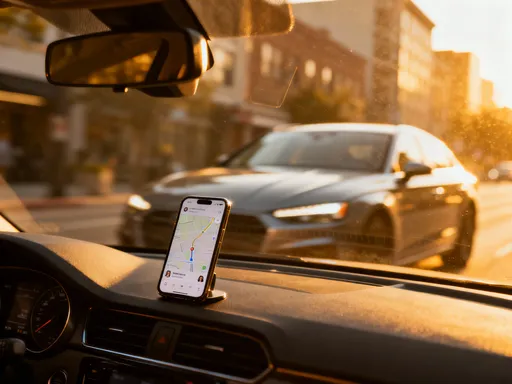
Think of it like this: instead of shouting across a crowded room, you’re passing a note that says, “I’m here, and I see you.” When you share your vehicle’s location with a friend, they can see your progress on a map—how far you are, how traffic is moving, when you’ll arrive. No more guessing. No more circling. Just a little dot moving steadily toward the meetup spot. And something magical happens when that dot appears: the tension fades. You don’t have to ask, “Where are you?” because you can see it. And the person driving feels seen, not interrogated.
I first tried this with my closest friend, Lisa, when we were heading to a holiday market. I was nervous—what if it felt invasive? But I sent the invite through our phone’s built-in sharing feature, and she accepted with a simple tap. Within seconds, she could see my car moving toward her. She texted, “You’re making great time!” and I laughed—because I wasn’t stuck in traffic after all. When we arrived, she was already parking, and we walked in together like we’d planned. No confusion. No stress. Just joy.
The beauty of vehicle location sharing is that it’s not flashy. It doesn’t require a new app or a complicated setup. Most newer cars come with services like Apple CarPlay, Android Auto, or built-in navigation systems that integrate with your phone’s location tools. And if your car doesn’t have it, your smartphone’s map app does the same thing—just as well. This isn’t about having the latest tech. It’s about using what you already have in a smarter, kinder way.
From Chaos to Coordination: A Real Hangout Makeover
Let me take you through how one ordinary Sunday morning changed everything for our friend group. We’d planned a brunch at a cozy café we all loved—big windows, fluffy pancakes, the kind of place where time slows down. But in the past, these mornings always started with chaos. This time, we decided to try something different.
Two hours before, Sarah started a group chat and said, “I’m enabling location sharing when I leave. Anyone else in?” I replied, “Yes—let’s do it.” So did Maria and Jen. We didn’t turn it on all the time—just when we were on the road. When I pulled out of my driveway, I tapped “Share My Location” in my phone’s Maps app, set it for two hours, and selected the three of them. Instantly, they could see my car moving toward the café.
Sarah texted, “I see you’re behind me—want to grab a spot together?” That small message felt like a gift. No guessing. No waiting. Just connection. When Maria hit traffic, she didn’t have to explain—Jen saw the slowdown on the map and said, “No rush—we’ll save you a seat.” That simple act of understanding lifted a weight. Maria didn’t feel guilty. She felt supported.
When I arrived, I parked, turned off location sharing, and walked in. All four of us were there—on time, calm, and genuinely happy to see each other. We didn’t spend the first ten minutes catching up on logistics. We dove straight into laughter, stories, and that amazing banana bread we’d been craving. The brunch felt longer, richer, more present. And the best part? No one asked, “Where were you?” even once.
This wasn’t luck. It was design. We used a tiny bit of technology to remove a big source of friction. And in doing so, we made space for what really matters—being together.
Making It Work for Your Circle: Simple Setup, Real Trust
Now, I know what you might be thinking: “This sounds great, but is it safe? Is it weird? What if someone misuses it?” These are fair questions. And the truth is, location sharing only works when it’s built on trust and respect. That’s why the how matters just as much as the what.
The good news? Setting it up is simple, and you’re in control. Most smartphones—whether iPhone or Android—let you share your location through apps you already use, like Messages, WhatsApp, or Google Maps. You don’t need a special subscription or a new gadget. And you decide who sees your location, for how long, and when.
Here’s how I do it: when I’m about to leave for a meetup, I open my Maps app, tap my profile picture, select “Share Location,” choose the person or group, and set a timer—usually one to two hours. That way, it turns off automatically. I don’t leave it on all day. I use it like a temporary bridge: “I’m crossing from my world to yours, and I want you to see me coming.”
And consent is key. I never share without asking. A simple, “Mind if I share my location on the way? It helps me feel less stressed,” goes a long way. Most of my friends say yes—because they feel the same way. We’re not giving up privacy; we’re trading a little data for a lot of peace.
If your car has built-in location sharing—like through a connected service—you can often enable it through the dashboard or a companion app. Again, it’s temporary. You turn it on when you need it, off when you don’t. And you only share with people you trust—your sister, your best friend, your neighbor you carpool with. This isn’t about surveillance. It’s about solidarity.
And if someone in your group isn’t comfortable? That’s okay. We all have different boundaries. The goal isn’t to force anyone. It’s to offer a tool that makes life easier—for those who want it.
The Ripple Effect: How Small Tech Changes Strengthen Friendships
What’s amazing is how such a small change can create such big ripples. When we stopped wasting time on “Where are you?” texts, we didn’t just save minutes—we gained presence. We showed up more fully, not just physically, but emotionally.
Jen told me something that stuck with me: “Now when I see my friend’s dot moving toward me, I don’t feel impatient. I feel cared for. Like they’re making the effort, and I can see it happening.” That visibility builds trust. It says, “I’m coming. I haven’t forgotten you. I’m thinking of you.” And that’s powerful.
There’s also something beautiful about adjusting plans with grace. Last month, I was running late because my daughter had a meltdown before I left. Instead of texting, “Sorry, running behind,” I just shared my location. My friend Maria saw I was still at home and texted, “No worries—take your time. We’ll order coffee for you.” That small act of understanding meant everything. I didn’t feel rushed or guilty. I felt supported.
And when we feel safe and seen, we stay longer. Our hangouts now stretch into lazy afternoons. We linger over tea, talk about dreams, share worries, laugh until our sides hurt. The technology didn’t create these moments—but it made room for them. By handling the small stuff, it let us focus on the big stuff: each other.
Over time, I’ve noticed we plan more often. Because it’s easier, we say yes more. And saying yes to connection is how friendships grow. We’re not just surviving the logistics—we’re savoring the togetherness.
When Tech Meets Heart: Staying Human in a Digital World
Here’s what I’ve learned: technology isn’t the enemy of connection. Misused, it can distract us. But used with intention, it can draw us closer. The key is remembering that the tool serves the relationship—not the other way around.
I don’t want to be tracked all the time. I don’t want to live in a world where every move is monitored. But I do want to feel connected. I want to know my friends are safe on the road. I want to surprise my sister by arriving just as her favorite song plays on the radio. I want to show up—fully, warmly, without chaos.
Location sharing, when used mindfully, becomes an act of care. It’s like saying, “I see you. I’m coming. Let me make this easier for you.” It’s digital empathy. And in a world that often feels rushed and disconnected, that matters.
One night, we were leaving a dinner party, and it was raining. My friend Anna was driving home alone. I asked, “Want me to see you get there?” She smiled and said yes. I watched her dot move safely through the city, turn onto her street, and stop. Then I got a text: “Made it. Thanks for looking out.” That moment wasn’t about technology. It was about love. The tech just helped it show up.
That’s the balance: using digital tools to deepen human moments. Not replacing hugs with data, but using data to make space for more hugs.
Your Next Hangout Can Be Different—And It Starts Now
You don’t need a new phone. You don’t need the fanciest car. You just need a tiny shift in how you use what you already have. Next time you’re planning to meet a friend, try this: instead of texting “Where are you?” before you leave, say, “I’ll share my location on the way—want to see me coming?”
Start small. Try it once. See how it feels to arrive without stress, to be seen without asking, to connect without chaos. You might be surprised how much lighter the whole experience becomes.
Because the truth is, we don’t need more time to connect. We need less friction. And sometimes, the simplest tech tools—used with heart—can clear the path.
Imagine your next gathering: no frantic texts, no circling the block, no standing outside wondering if you’re in the right place. Just you and your friends, walking in together, smiling, already connected before the first hello. That’s not too much to ask. And it’s absolutely within reach.
Technology, at its best, doesn’t shout. It whispers. It doesn’t control. It helps. It doesn’t replace you—it supports you. And when it comes to friendship, that’s exactly what we need: a little help showing up, again and again, exactly as we are.
So go ahead. Try it. Share your location. Save your energy. And save your “Where are you?” texts for more important things—like asking, “Where should we go next?”