Tired of Missing Out on Rewards at Family Diners? Here’s How Smart Points Tracking Saves You Money Effortlessly
We’ve all been there—sitting at the dinner table, laughing with family, only to realize too late that you forgot to use your membership points on the bill. What could’ve been a free dessert or future discount slips away. It’s frustrating, avoidable, and happens more often than it should. But what if your phone could quietly remind you, just in time? This isn’t about collecting points for the sake of it—it’s about making family moments both joyful and smarter. It’s about turning small oversights into quiet wins, without changing your routine or adding more to your plate. And the best part? You don’t need to become a tech expert to make it work.
The Forgotten Receipts at the Dinner Table
Picture this: it’s Friday night, and the whole family is finally together. The kids are chattering about school, your partner is sharing a story from work, and the table is full of warm bread, shared plates, and that comfortable kind of noise that only happens when everyone feels at home. You’re relaxed, happy, present. And then—right after the server brings the check—you remember. You forgot to scan the receipt. Again. That loyalty program you signed up for months ago? The one that gives you a free meal after ten visits? It just missed another stamp. That $80 bill could’ve earned you points toward next week’s dinner, or even a treat for the kids. But now it’s gone.
It’s not just about one missed opportunity. It’s about how often this happens. Last month, we did it twice. The month before, three times. And when you start adding it up—those $5 discounts, the free appetizers, the bonus points during promotions—it’s not pocket change anymore. It’s real money, quietly slipping through your fingers while you’re busy being a mom, a wife, a planner, a listener, a cook, a driver, a rememberer of everything except the one thing that could’ve saved you money. And it’s not just the financial loss. It’s the mental clutter. That little voice that says, “I should’ve remembered,” even when you’re already doing so much. It’s the tiny guilt that sticks around after a night that was supposed to be carefree.
What’s worse is that this isn’t an isolated thing. It happens at the grocery store, at the gas station, even at the coffee shop on your way to pick up the kids. We’re surrounded by rewards programs, but no system to actually use them. And so, we end up treating them like lottery tickets—nice to have, but not something we really count on. But what if we didn’t have to? What if the system could work for us, instead of against us?
How Points Slip Through the Cracks (And Why It Hurts More Than You Think)
Let’s be honest—forgetting to use points isn’t a failure of willpower. It’s a failure of design. Our lives are busy, layered, and full of distractions. You’re not forgetting because you’re careless. You’re forgetting because your brain is doing ten other important things at once. You’re remembering to pack lunches, to reply to the teacher’s email, to call the vet about the dog’s appointment. You’re not forgetting the points because you don’t care. You’re forgetting because the system asks too much at the worst possible moment.
Think about how it works now: you finish your meal, the server drops the check, and suddenly you’re scrambling. Is the app on your phone? Did you log in last time? Is the membership card in your wallet, or did you leave it in the other purse? And by the time you open the app, scan the code, and confirm the purchase, the family is already up, coats on, ready to go. So you say, “I’ll do it later.” But later never comes. The receipt gets tossed, the moment passes, and the points vanish.
And it’s not just you. Every member of your family probably has their own loyalty programs. Your partner uses a gas rewards card. Your teenager collects coffee points at their favorite café. You’ve got a grocery store app, a pharmacy program, maybe even a credit card that gives travel miles. But none of these talk to each other. They live in different apps, on different phones, under different logins. There’s no central place to see what you’ve earned, what’s about to expire, or when it makes sense to redeem. So everything stays scattered, invisible, forgotten.
Studies show that the average household loses between $200 and $400 a year in unclaimed rewards. That’s not a typo. That’s real money—enough for a family movie night out, a new pair of school shoes, or a quiet weekend getaway. And it’s not because people don’t want to save. It’s because the process is too fragmented, too manual, too easy to put off. We’re not lazy. We’re just human. And our current tools don’t match the way we actually live.
The Quiet Power of Centralized Points Management
Now imagine a different world—one where you don’t have to remember anything. Where the system works quietly in the background, like a helpful friend who knows your habits and shows up at just the right time. That’s what a centralized points tracker does. It’s not flashy. It doesn’t buzz with notifications every five minutes. It’s calm, simple, and built to fit into your life—not disrupt it.
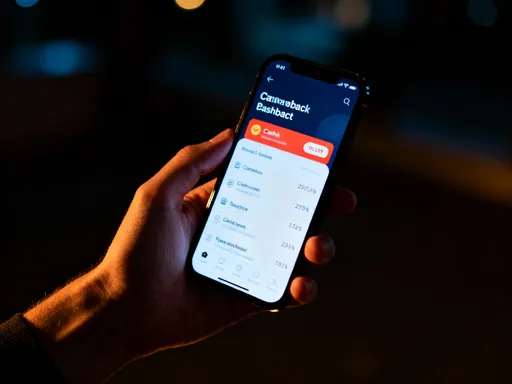
Think of it like a digital wallet for rewards. You link your loyalty accounts, your credit cards, your favorite stores. Then, when you make a purchase, the app automatically recognizes the receipt—using secure optical character recognition (OCR)—and logs the points for you. No scanning. No switching between apps. No hunting for that crumpled receipt in your bag. It just happens. And if you want, it can even send you a gentle reminder: “You earned 120 points at tonight’s dinner. Ready to redeem?”
The beauty of this isn’t just in the savings. It’s in the peace of mind. You no longer have to carry the mental weight of “Did I remember?” You don’t have to feel guilty for forgetting. The system has your back. It’s like having a silent assistant who never gets tired, never gets distracted, and always remembers what matters.
And the best part? It doesn’t require a lifestyle overhaul. You don’t need to change where you shop or how you pay. You just keep living your life—eating dinner, buying groceries, filling up the tank—and the app does the rest. It learns your patterns, respects your privacy, and works across all your devices. So whether you’re on your phone, tablet, or laptop, your points are always there, organized, up to date, and ready to use.
Making Family Dinners Smarter (Without the Stress)
Let’s go back to that Friday night dinner. The meal ends. The kids are full, the stories are winding down, and the check arrives. But this time, something different happens. As you’re bundling up to leave, your phone gives a soft chime. Not urgent. Not annoying. Just a quiet, friendly nudge: “Points from tonight’s meal saved. You’re 2 visits away from a free dinner.”
You glance at your partner and smile. “Got it,” you say. “No stress.” And just like that, the mental load lifts. You didn’t have to do anything. No app switching. No fumbling with your wallet. No last-minute panic. The system worked while you were busy being present.
But the benefits go beyond convenience. Over time, this small change starts to shift the way your family talks about money. Instead of tension around bills or guilt over spending, there’s a new kind of conversation. “We’re close to a free breakfast!” your daughter says excitedly. “Can we use our points for movie tickets?” your son asks. You start planning around rewards, not just avoiding overspending. And your partner? They feel more in control, too. “Did you get the points?” they ask, half-joking. “Already taken care of,” you reply, and there’s a quiet pride in that exchange.
What used to be a source of frustration becomes a shared win. And that changes the energy in your home. Less friction. More connection. More room for what really matters—like who had the funniest moment at school, or what you’re looking forward to this weekend. The technology doesn’t take over. It simply removes the noise, so you can hear each other better.
Beyond the Meal: How Efficiency Builds Trust and Connection
Here’s what no one tells you about saving points: it’s not really about the money. Not entirely. Yes, saving $5 here or $10 there adds up. But the deeper benefit is emotional. It’s about how small efficiencies can build trust—in yourself, in your systems, in your family.
When you stop losing little things—receipts, rewards, passwords, appointments—you start to feel more capable. You carry less mental clutter. You’re not constantly chasing after what slipped through. And that calmness spreads. You’re less irritable. More patient. More present. You have more bandwidth to listen, to laugh, to really see the people you love.
One mom I spoke with put it this way: “We used to fight about bills. Not because we were overspending, but because we felt like we were always missing out. Like we weren’t doing enough. Now, with everything tracked automatically, we don’t argue. We talk. We plan. We feel like a team.”
That’s the real magic of smart tech—not that it saves you money, but that it gives you back time and peace. And when you have those, you have more to give. You’re not just managing your household. You’re enjoying it. You’re not just surviving the week. You’re living it.
And isn’t that what we all want? To feel like we’re on top of things, not buried under them? To enjoy family time without the nagging worry in the back of your mind? Technology that works quietly in the background lets you do that. It doesn’t solve everything—but it removes enough of the friction that the good stuff can finally shine.
Getting Started Without the Overwhelm
If this sounds good but a little intimidating, I get it. The idea of setting up another app, linking accounts, learning a new system—it can feel like just one more thing on your to-do list. But here’s the truth: you don’t have to do it all at once. In fact, you shouldn’t.
Start small. Pick one loyalty program you use most—maybe your favorite grocery store or family restaurant. Find an app that supports automatic receipt scanning and points tracking. Link just one card. Then, the next time you go out to eat, after dinner, open the app and snap a photo of the receipt. That’s it. One step. One habit.
Don’t worry about perfection. Don’t stress if you forget the first few times. This isn’t about being flawless. It’s about progress. Over time, that one action will become routine. And once it feels easy, add another account. Maybe your gas rewards. Or your pharmacy points. Slowly, your digital rewards wallet grows, but your effort stays low.
When choosing an app, look for a few key things: cross-device sync (so you can access it from any device), strong privacy controls (so your data stays safe), and automatic categorization (so you don’t have to label every purchase). Avoid anything that feels clunky or demands constant attention. The best tools are the ones you forget you’re using—because they just work.
And remember: this isn’t about becoming a tech guru. It’s about making your life a little lighter. You don’t need to master every feature. You just need one that helps you stop missing out. The rest will follow.
The Bigger Picture: Small Tech, Lasting Peace
In the end, managing your points isn’t about being frugal. It’s not about chasing every last discount. It’s about intention. It’s about creating a life where the little things don’t pile up and weigh you down. Where you’re not constantly fixing what broke, remembering what you forgot, or chasing what slipped away.
The best technology doesn’t shout. It doesn’t demand your attention. It sits quietly in the background, doing the small things so you can focus on the big ones. It helps you live with a little more ease, a little more confidence, a little more joy.
And when you can walk away from the dinner table knowing you didn’t miss a single point, you’re not just saving money. You’re reclaiming your attention. You’re choosing presence over panic, connection over clutter. You’re teaching your family that small, smart choices add up—not just in rewards, but in peace.
So the next time you’re laughing over shared fries, listening to your kid’s wild story, or catching your partner’s eye across the table—let the tech handle the rest. Because the best moments aren’t the ones where you saved $5. They’re the ones where you were truly there. And with a little help from a quiet, reliable system, you can be.