I’m home alone—what if something happens?: How simple tech quietly keeps me safe every day
Living alone doesn’t mean living with fear—but for years, I did. That nagging worry of “what if I fall, or someone breaks in?” followed me like a shadow. Then I discovered small, smart tools that don’t shout about security but actually help me breathe easier. No complicated setups, no jargon—just everyday tech that fits my life like a second lock on the door. This isn’t about turning your home into a fortress. It’s about peace of mind that moves with you, whether you're cooking at midnight or traveling across time zones.
“Is Anyone There?” – The Quiet Fear We Don’t Talk About
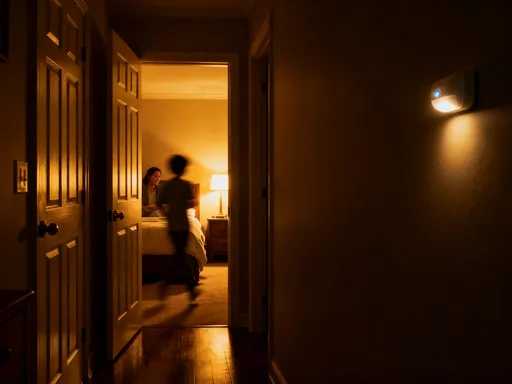
Have you ever woken up in the middle of the night to the sound of a creaking floorboard and held your breath, wondering if it was just the house settling—or something more? I have. More times than I care to admit. When you live alone, those small, ordinary sounds can feel magnified, like whispers in an empty room. You start questioning everything: Did I lock the back door? Was that the wind, or did someone try the handle? It’s not paranoia—it’s the quiet, unspoken reality of solo living.
I used to keep my phone under my pillow, fully charged, just in case. I’d text a friend before bed: “Just checking in.” Not because anything was wrong, but because silence can feel heavy when you’re the only one in it. And while I love my independence—my quiet mornings with coffee, my freedom to decorate how I like—I didn’t want to trade it for constant low-level anxiety. I didn’t want to feel like I was always on guard.
Then I realized something: I didn’t need to choose between safety and solitude. I could have both. The answer wasn’t in locks or bars on windows, but in the quiet, unobtrusive help of everyday technology. Not flashy, not loud, but always there—like a trusted neighbor who checks in without knocking. These tools don’t eliminate all risk, of course. But they do something powerful: they give me back a sense of control. And that, more than anything, has changed how I experience being alone in my home.
It’s not about fear. It’s about feeling seen, heard, and protected—even when no one else is around. And the best part? These tools don’t require a degree in engineering or a renovation budget. They fit into the life I already have. They work quietly, gently, like background music to my days. So if you’ve ever felt that little knot in your stomach when you’re home alone, know this: you’re not overreacting. And you’re not powerless. There are simple, smart ways to feel safer—starting today.
Smart Lights That Know When You’re Away (And Pretend You’re Not)
One of the first things I changed was how I use lighting in my home. Sounds simple, right? But lighting is one of the most effective—and underrated—tools for safety. Think about it: when your lights are on, it looks like someone’s home. And that’s enough to make most intruders think twice. I don’t need a spotlight or a strobe effect. I just need my house to look lived-in, even when I’m not there.
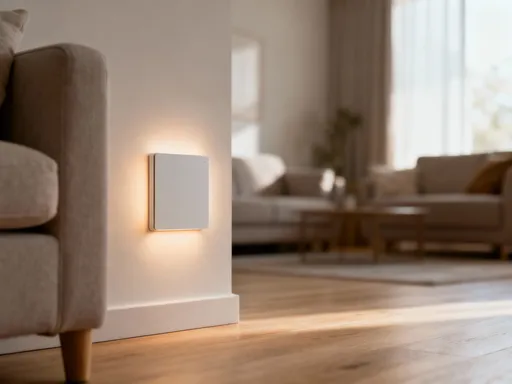
I started with smart bulbs in a few key rooms—the living room, kitchen, and bedroom. I didn’t replace every bulb in the house. Just enough to make a difference. With a simple app on my phone, I can schedule them to turn on and off at different times, like I’m moving through the house. For example, the living room light comes on at 7 p.m., dims by 10, and shuts off at 11. The bedroom light turns on for 15 minutes around 9:30, like I’m getting ready for bed. It’s not perfect mimicry, but it’s convincing enough.
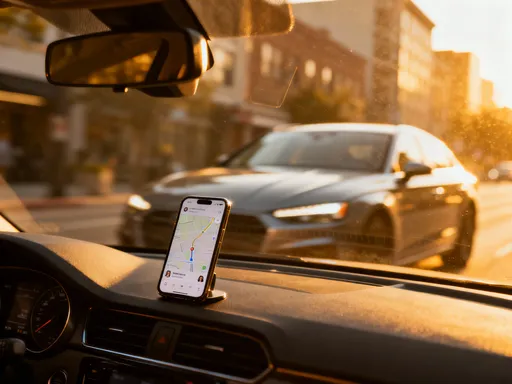
Even better? I can control them remotely. If I’m running late from dinner with a friend, I can turn on the kitchen light from my car. By the time I walk in, the house feels warm and welcoming—no fumbling for switches in the dark. And if I’m traveling, I set a random schedule so the lights come on at different times each evening. It doesn’t look robotic or predictable. It looks like a real person lives here.
One night, I got a text from a neighbor: “Saw your lights on late—everything okay?” I smiled. She thought I was home. In reality, I was three states away visiting my sister. But the lights made it seem like I was puttering around, maybe watching TV or reading. That small illusion gave me something priceless: peace of mind. I wasn’t worried about my empty house. It didn’t feel empty at all.
And the setup? Easier than I thought. Most smart bulbs screw in just like regular ones. You download the brand’s app, connect to Wi-Fi, and follow the prompts. Some even work with voice assistants, so you can say, “Hey Google, turn on the porch light,” without lifting a finger. No wiring, no electrician. Just a few minutes of your time for a lasting sense of security.
Doorbell Cameras: From “Who’s That?” to “I’ve Got This”
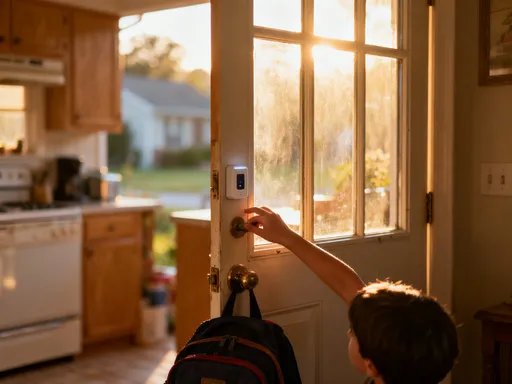
Remember the days of opening the door without knowing who was on the other side? I do. And I don’t miss them. The first time I used a video doorbell, I felt a wave of relief. There he was—on my phone screen—just a delivery guy with a package. No surprise, no stress. I could see him, hear him, and even speak to him without unlocking the door. That moment changed everything for me.
Video doorbells aren’t just for catching package thieves (though yes, I did once stop a porch pirate in real time—more on that later). They’re about clarity. About knowing. No more guessing games. No more peering through a fisheye lens that distorts faces. Now, I can check who’s there from anywhere—whether I’m in the shower, in the backyard, or on vacation in Maine.
I chose a model with motion detection, night vision, and two-way audio. That means when someone approaches, I get a notification on my phone. I can pull up the live feed, see who it is, and decide what to do. If it’s a neighbor dropping off a casserole, I can say, “Just leave it by the door, thanks!” If it’s a stranger lingering too long, I can ask, “Can I help you?”—and my voice comes through the doorbell’s speaker. That alone is often enough to discourage unwanted attention.
Here’s what happened last winter: I was out grocery shopping when I got an alert. A man in a delivery uniform was at my door. He rang twice, then bent down—like he was leaving a package. But instead of walking away, he looked around, waited, then picked up the package and walked off with it. My heart jumped. But instead of panicking, I tapped the app, spoke through the doorbell, and said, “Hey, that’s my delivery. Please leave it.” He froze, looked startled, and set the box down quickly before hurrying away. I called the delivery company, filed a report, and got my package replaced—all because I could see and respond in real time.
That experience didn’t just save me money. It gave me confidence. I wasn’t helpless. I had eyes on my front door, even when I wasn’t home. And the best part? My mom uses one too, and now I can check in on her place when she’s not feeling well. If the doorbell shows no movement for a few days, I might call to make sure she’s okay. It’s not about spying—it’s about caring.
Setting it up was straightforward. It replaced my old doorbell, and the wires were compatible. The app guided me through each step. And privacy? I made sure to choose a brand that lets me control data sharing and delete recordings anytime. This isn’t about surveillance. It’s about staying connected—and in control.
Motion Sensors That Watch the House, Not Just the Alarm
Most people think of motion sensors as part of a loud, blaring alarm system. But they don’t have to be. The ones I use are quiet, unobtrusive, and designed to blend into daily life. They’re not waiting for a break-in. They’re just keeping gentle track of normal activity—like a silent observer who only speaks up if something’s off.
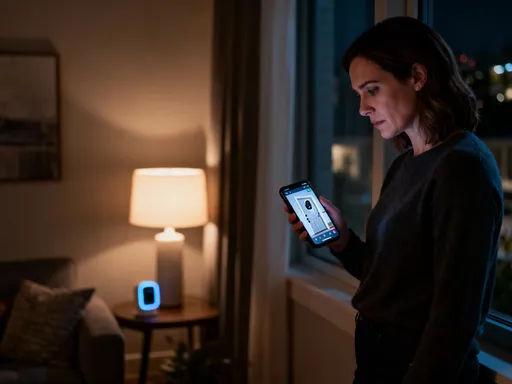
I placed one in the hallway near the kitchen and another by the front door. They connect to my home network and send alerts to my phone if they detect movement during certain times—like between midnight and 6 a.m. Now, if I forget to lock the door and the cat knocks it open, I get a notification. If a tree branch breaks a window and triggers motion, I’ll know right away. It’s not about expecting disaster. It’s about being prepared.
But here’s where it gets personal: I also use one to check in on my mom. She lives alone, and while she’s sharp as a tack, I worry—like any daughter would. I didn’t install a camera. That would feel invasive. Instead, I put a motion sensor in her living room. It doesn’t record video. It just shows whether there’s been movement in the past 12 or 24 hours. If she’s up and moving around, I see a small green dot in the app. If not, I get a gentle alert. Then I call. “Hey, just checking in—how was breakfast?” It’s not surveillance. It’s love, wrapped in technology.
These sensors don’t replace human connection. But they add a layer of reassurance. When I’m traveling, I can glance at the app and know my home is still, as it should be. When I’m home, I appreciate the quiet knowledge that if something unusual happens—like a water leak that causes movement in the basement—I’ll be the first to know.
And the setup? Minimal. Stick it on the wall, connect to Wi-Fi, and choose your alert preferences. Some models even integrate with smart lights—if motion is detected at night, a hallway light turns on automatically. Great for avoiding stubbed toes—or helping someone with low vision get around safely. It’s not about fear. It’s about care. About making sure the people and places we love are looked after, even when we can’t be there in person.
Voice Assistants: More Than Just Music and Reminders
I’ll admit it: I used to think of my voice assistant as a fancy timer. “Hey Siri, set a timer for 20 minutes.” “Alexa, play my morning playlist.” Cute, but not life-changing. Then one night, everything shifted. I slipped in the bathroom and couldn’t get up right away. My phone was on the counter, just out of reach. I was okay—no injury—but in that moment, I felt vulnerable. Then I remembered: “Hey Siri, call Mom.” And just like that, help was on the line.
That experience opened my eyes to how powerful these devices can be. They’re not just for playing music or checking the weather. They’re hands-free lifelines. If you’re carrying groceries, if you’re hurt, if you’re just too tired to reach for your phone, you can speak—and the house responds.
Now, I use voice commands for safety all the time. “Alexa, turn on all lights.” “Hey Google, lock the front door.” (Yes, I have a smart lock—more on that another time.) If I hear a noise at night, I can say, “Turn on the hallway light,” without getting out of bed. If I’m expecting a delivery, I can ask, “Is anyone at the front door?” and it will show me the camera feed on a compatible screen.
What I love most is how familiar it feels. I didn’t have to learn a new system. My voice assistant was already in my home, already part of my routine. I just started using it in new ways. It’s like discovering a secret feature in a car you’ve driven for years. Suddenly, you realize the backup camera can also detect moving objects behind you. It was there all along.
And it’s not just for emergencies. I use it to create routines: “Alexa, good morning” turns on the lights, reads the weather, and starts the coffee maker. “Good night” turns off the lights, locks the doors, and arms the security system. It’s not magic. It’s just thoughtful design that makes life easier—and safer—without extra effort.
If you have one, don’t underestimate it. If you don’t, consider starting small. A single device in the kitchen or bedroom can make a real difference. It’s not about replacing human connection. It’s about having a reliable helper when you need one most.
Traveling Alone? Your Home Can Still Have Your Back
Traveling used to come with a side of anxiety for me. Not just the usual “Did I pack enough socks?” but the deeper worry: “Is my house okay?” I’d picture the back door ajar, the fridge running empty, or worse—someone inside. I’d call a neighbor to check in, or drive by the house before heading to the airport. It wasn’t sustainable.
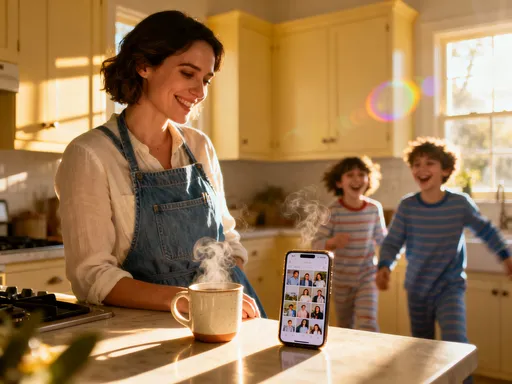
Now, I travel lighter—mentally, not just in luggage. Before I leave, I run a quick tech checklist. I turn on the smart lights with a random schedule. I arm the motion sensors. I make sure the doorbell camera is active. Then, from anywhere in the world, I can check in with a tap. Is the front door locked? Yes. Are the lights on as scheduled? Yes. Did the dog walker come at 2 p.m.? The doorbell camera shows her entering with her key.
Last month, I was in Portugal when I got a motion alert at 3 a.m. my time. My heart jumped. But instead of panicking, I opened the app. It was just the cat jumping onto the counter—again. I laughed, reset the sensor, and went back to sleep. No calls to neighbors. No sleepless nights. Just clarity.
And if something serious happened? I’ve set up alerts to go to a trusted friend. If the front door opens unexpectedly while I’m away, she gets a notification too. We’ve agreed: if she sees something odd, she’ll call me or check the house. It’s not about suspicion. It’s about teamwork. We look out for each other.
This isn’t about living in fear of break-ins. It’s about removing unnecessary stress so I can enjoy my trip. I can savor a sunset in Lisbon without wondering if my thermostat is set too high. I can focus on the moment, knowing my home is quietly protected. And when I return, the house greets me with lights on, temperature just right, and a sense of calm that says, “You’re safe. You’re home.”
Technology didn’t make me fearless. But it did make me freer. Freer to live, to travel, to be alone without feeling isolated. That’s the real gift.
Peace of Mind Isn’t a Luxury—It’s Built Into Daily Tech
When I look back at the years I spent anxious in my own home, I wish I’d known how simple help could be. I didn’t need a security guard or a panic room. I just needed a few thoughtful tools that worked with my life, not against it. Today, my home isn’t “smart” because it has the latest gadgets. It’s smart because it helps me feel safe, seen, and supported—every single day.
These technologies aren’t about reacting to fear. They’re about reclaiming calm. They’re about saying, “I deserve to feel at ease in my own space.” Whether it’s a light turning on as I walk in the door, a voice assistant answering my call, or a motion sensor quietly confirming that all is well, these small moments add up to something big: confidence.
And that confidence spills over into everything. I sleep better. I travel more. I host friends without worrying about locking up. I live more fully—because I’m not distracted by what-ifs. The tools don’t eliminate risk, but they shift the balance. Instead of feeling vulnerable, I feel prepared. Instead of being on edge, I’m at peace.
So if you’ve ever felt that quiet worry—“What if something happens?”—know this: you don’t have to live with it. You don’t need to accept anxiety as the price of living alone. Simple, accessible technology can help. It’s not about fear. It’s about freedom. It’s about building a home that cares for you, even when you’re the only one there.
You’re not overthinking. You’re not silly for wanting to feel safe. You’re human. And you deserve to come home to peace—not just walls and a locked door. The tools are here. They’re easy. They’re kind. And they’re ready to help you breathe easier, one quiet moment at a time.